
Water purity is paramount in the pharmaceutical industry, where contaminants can compromise product quality, patient safety, and regulatory compliance. Among the water treatment technologies available, ultraviolet (UV) treatment has emerged as a vital tool to address various challenges, including the presence of microorganisms, chlorine, chloramine, monochloramine, and nitrosamines.
What are some of the Challenges of Pharmaceutical Water Contaminants?
Microorganisms
Microorganisms can proliferate in pharmaceutical water distribution networks, leading to biofilm formation and potential product contamination. The removal or inactivation of these microorganisms is a critical requirement for producing purified water, water for injection (WFI), and other pharmaceutical-grade waters.
Chlorine, Chloramine and Monochloramine
Municipalities are required to add a residual to drinking water to ensure the control of microorganisms in their distribution lines. This is done with chlorine or chloramine, with many now turning to monochloramine. While essential for municipal treatment, their presence in pharmaceutical water must be carefully managed. These chemicals can react with organic matter to form unwanted byproducts and can interfere with sensitive pharmaceutical processes and equipment. Monochloramine can be the most challenging to remove due to its chemical stability and persistence.
Nitrosamines
Nitrosamines are a class of byproducts formed when secondary amines react with nitro-sating agents, often in the presence of chloramines. These compounds are of particular concern in pharmaceutical water because many nitrosamines are potent carcinogens.
Ultraviolet Treatment: Principles & Benefits
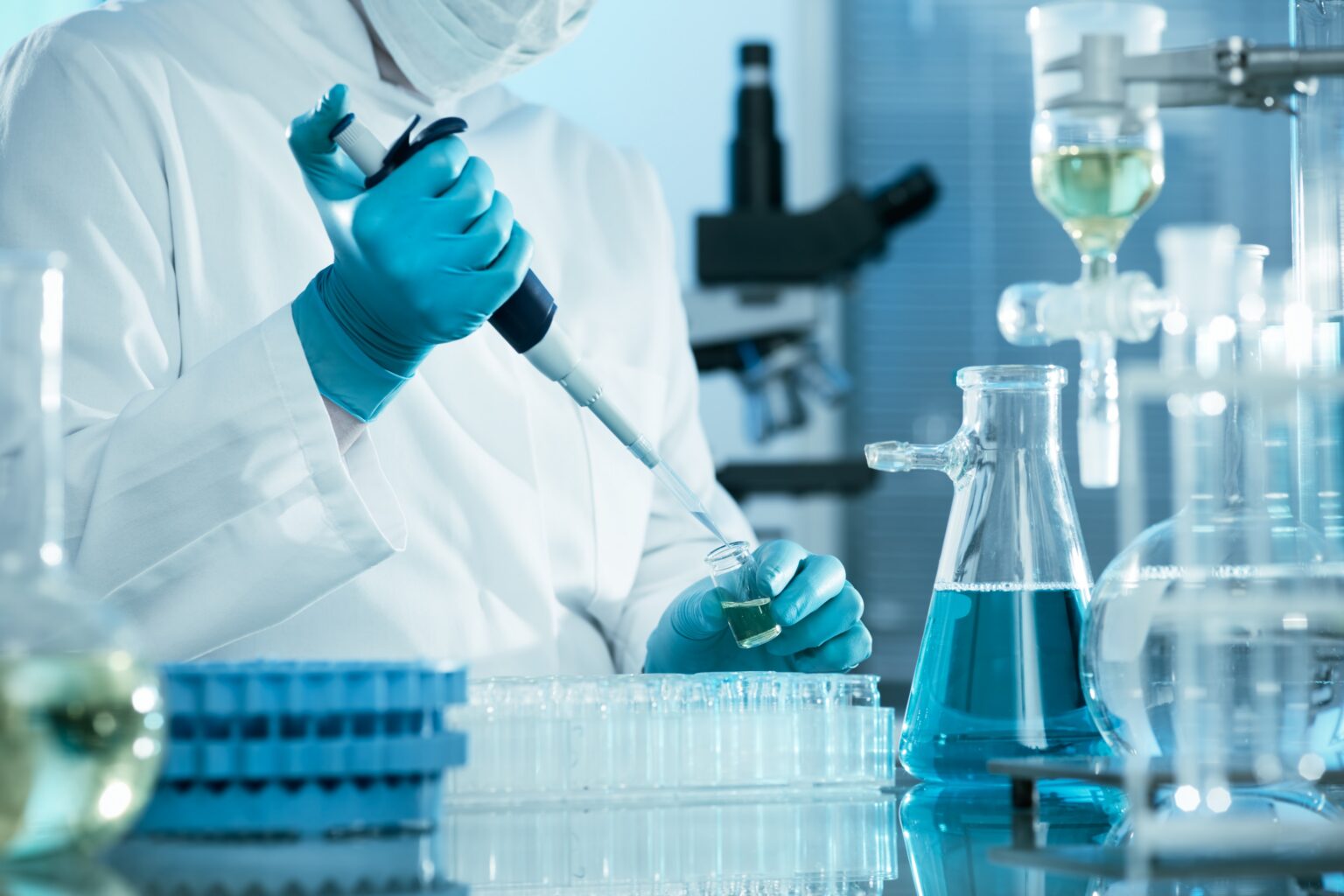
Ultraviolet treatment relies on the application of UV-C light (typically at 254 nm) to inactivate microorganisms and initiate photochemical reactions that can degrade or alter chemical contaminants. UV systems are valued in pharmaceutical settings for their effectiveness, minimal chemical addition, and ease of integration into existing processes.
Efficacy Against Microorganisms
UV is highly effective at inactivating a broad spectrum of microorganisms. The UV-C light damages the genetic material of these organisms, preventing replication and growth. UV does not introduce residuals or byproducts, making it ideal for pharmaceutical applications where water purity is essential.
Removal of Chlorine, Chloramine & Monochloramine
Advanced UV systems can effectively break down residual chlorine, chloramine, and monochloramine through photolytic reactions. When exposed to UV light, these chemicals are decomposed into less harmful substances, such as chloride ions and nitrogen gas. This eliminates the risk of interference with sensitive pharmaceutical processes and prevents the formation of secondary byproducts downstream. UV treatment is particularly advantageous for monochloramine removal, as traditional activated carbon filtration can be less effective against this persistent compound.
Mitigating Nitrosamine Formation
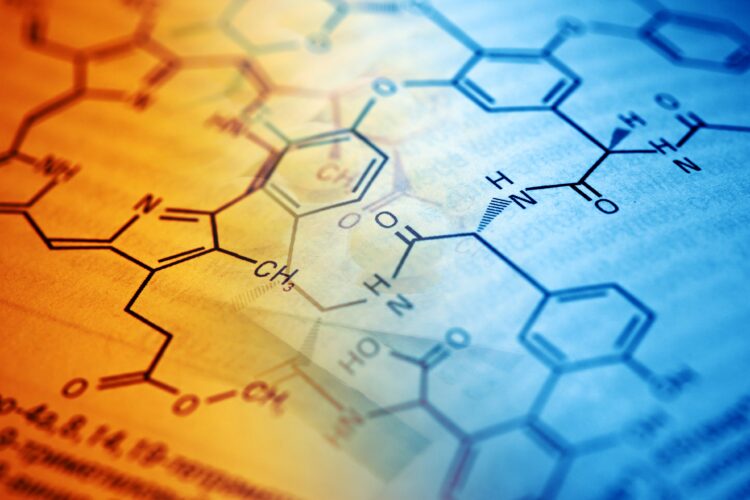
UV treatment can play a dual role in nitrosamine control. First, by removing monochloramine, a precursor for nitrosamine formation, UV reduces the likelihood of these compounds forming in the water system. Secondly, at the UV doses required for the photolysis of monochloramine it can effectively degrade NDMA, NDEA, NDPA, NDBA, NDYR and NDPhA at similar if not greater rates. These unknown benefits can be of significant value to pharmaceutical manufacturers seeking to comply with stringent regulatory limits on nitrosamine content.
Solutions for Your Application
If you want to learn more about our products and how they might benefit your equipment, fill out the form on the page. You can also explore other Trojan Technologies brands and how they might better support your operation.